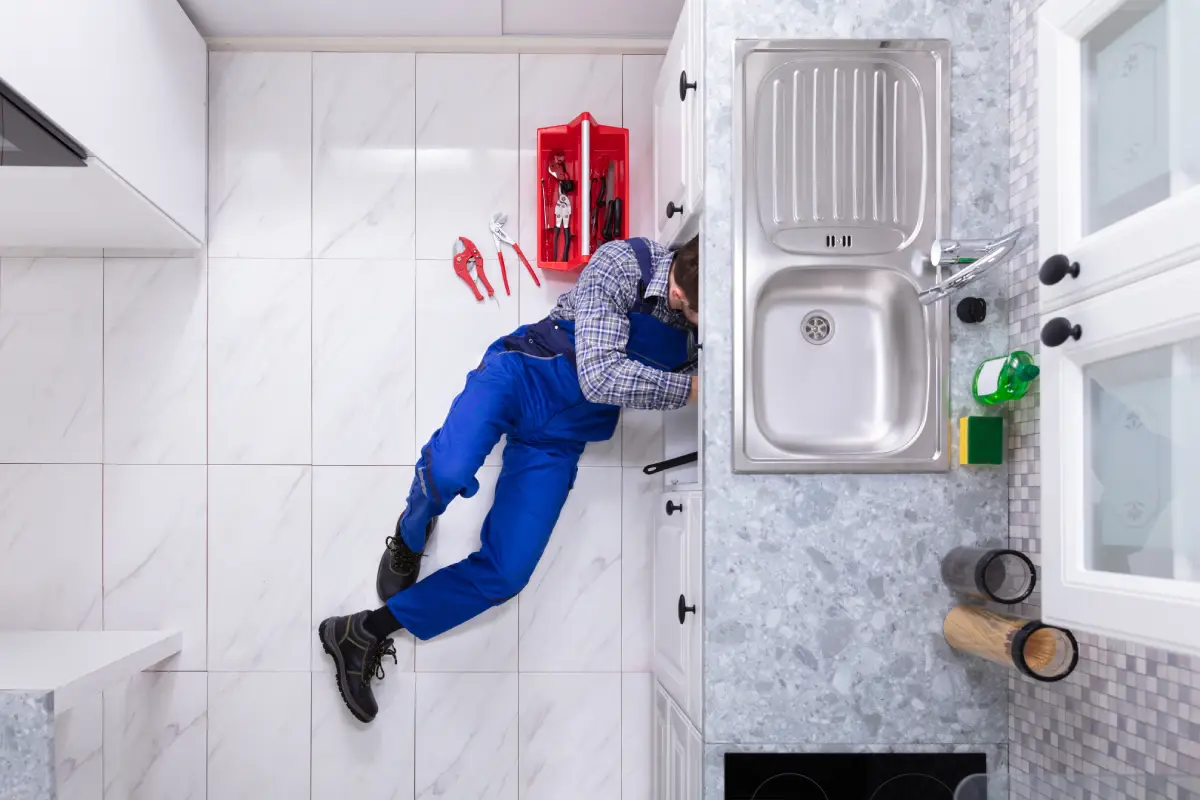
You fix the same issues more than once, and it starts to feel normal. A drain clogs again after it was just cleared. An outlet stops working even after it was repaired. At first, it feels like a small maintenance noise you just deal with and move on from.
Then it starts happening more often. The same types of repairs show up across different months, sometimes in the same unit. What used to feel random now looks like a pattern you cannot ignore. That is usually the point where hidden inefficiencies start to show on the surface.
These repeated issues do more than interrupt operations. They quietly raise expenses, take time away from other priorities, and create frustration for tenants who expect issues to remain fixed once they are addressed. Recent housing data shows how quickly these costs add up. The U.S. Census Bureau reports that median monthly owner costs for homes with a mortgage reached $2,035 in 2024, reflecting ongoing increases in housing expenses across the country.
This article breaks down what those recurring repair patterns usually mean, how they connect to larger property performance problems, and what steps can help you stop the cycle before it keeps repeating.
Key Takeaways
- Recurring repairs often indicate deeper system inefficiencies rather than isolated problems
- Temporary fixes tend to increase long-term maintenance costs
- Delaying upgrades leads to more frequent breakdowns and reduced efficiency
- Reliable maintenance solutions improve tenant satisfaction and retention
Patterns Indicate Root Cause Problems
Repeated service requests for the same issue are rarely isolated. When a problem keeps returning, it usually means the original cause was never fully resolved. Instead of focusing only on the immediate repair, it is important to look at the pattern behind it.
Maintenance patterns often reveal deeper system failures. These could involve aging systems, poor installation, or underlying structural issues. Without tracking repair frequency, it becomes difficult to recognize these inefficiencies early.
Taking a proactive approach to property upkeep planning helps prevent recurring issues from becoming long-term problems, as consistent attention to essential maintenance supports stronger performance and fewer recurring repairs over time.
Common Examples of Hidden Issues
- Recurring plumbing clogs may indicate pipe buildup or layout problems
- Repeated HVAC repairs can signal aging or undersized systems
- Electrical issues may point to outdated or overloaded wiring
When these issues appear repeatedly, it is a sign that a deeper investigation is needed.
Repeated Quick Fixes Drive Up Long-Term Costs
Small repair jobs often feel harmless on their own. The real issue shows up when the same fixes keep recurring, slowly increasing total maintenance spending.
Rising Cost From Frequent Service Calls
Each repair visit carries its own cost, even when the problem looks minor. When the same issue recurs, those costs add up due to repeated labor, materials, and scheduling time.
Recent 2024 data from the Federal Reserve Bank of Philadelphia’s analysis of the American Housing Survey shows that U.S. housing repair needs reached an $198.4 billion in a single year, with rising costs driven mainly by repeated and unresolved maintenance issues rather than one-time repairs.
This highlights how recurring repair cycles contribute to broader system-wide spending pressures, even when individual fixes seem small.
Limits of Temporary Repairs
Short-term fixes usually address the visible problem, not the cause. That is why the same issue often comes back after a short period, leading to another round of repairs.
Higher Expense Over Time
Repeated work on the same system often ends up costing more than addressing the root issue early. What starts as a low-cost repair can turn into a higher long-term expense cycle.
Pro Tip: To see how these patterns affect your budget, it helps to understand what your ongoing coverage includes, especially when reviewing maintenance fee coverage and how it applies to recurring repairs.
Delaying Proper Solutions Worsens Efficiency
Avoiding upgrades keeps inefficient systems in place. While delaying a replacement may feel like a cost-saving move, it often leads to more frequent repairs and higher overall expenses.
Older systems require more attention as they wear down. They become less reliable, less efficient, and more likely to fail at inconvenient times. This creates a cycle of ongoing maintenance without improving performance.
Investing in permanent fixes reduces ongoing expenses. A well-timed upgrade can stabilize maintenance needs and improve how the property operates.
Owners also benefit from evaluating how these decisions affect long-term returns, and using an ROI calculator can help connect maintenance choices directly to overall investment performance.
Long-Term Impact of Delays
- Increased frequency of service calls
- Higher utility costs from inefficient systems
- Shortened lifespan of equipment
- Greater risk of unexpected breakdowns
Addressing the root cause early helps avoid these compounding issues.
Ongoing Problems Reduce Tenant Confidence
Tenants expect lasting solutions, not repeated disruptions. When maintenance issues keep coming back, it affects how tenants view the property and its management.
Frequent maintenance visits can become frustrating. Even when issues are addressed quickly, repeated problems create inconvenience and uncertainty.
Poor experiences affect overall satisfaction. Over time, tenants may feel their concerns are not fully resolved, which weakens trust.
Providing consistent and reliable repairs is key to maintaining strong relationships, and prioritizing effective tenant issue handling helps ensure problems are fully resolved instead of repeatedly resurfacing.
Signs Tenant Confidence Is Dropping
- Repeat complaints about the same issue
- Frustration in maintenance requests
- Lower satisfaction despite timely responses
- Hesitation during lease renewal discussions
These signals often point back to unresolved maintenance problems.
Turnover Risks Increase with Unresolved Issues
Tenants are less likely to renew leases when issues persist. Even small recurring problems can influence their decision to leave if they affect daily comfort.
Higher turnover leads to added costs. Vacancy periods, marketing efforts, and leasing fees all impact your bottom line. Frequent move-ins and move-outs also increase wear on the property.
Reliable maintenance improves long-term occupancy. When tenants trust that issues will be resolved properly, they are more likely to stay.
Some recurring problems are also tied to broader property performance, and investing in efficiency upgrades can reduce repeat issues while improving long-term durability.
Owners can gain better insight into performance by requesting a rental analysis or exploring available owner resources to identify where inefficiencies may be affecting retention and returns.
FAQs about Recurring Repairs and Rental Property Efficiency in Clarksville, TN
How can I tell if recurring repairs are actually a normal part of rental ownership or a warning sign?
Occasional repairs are expected, but when the same issue recurs in the same area or system, it usually signals an underlying problem that was not fully resolved and requires a more permanent solution.
What type of maintenance data should I track to spot hidden inefficiencies early?
Track how often repairs occur, the type of issue, total cost, location in the property, and whether the same problem reappears, as these patterns help reveal inefficiencies that may not be obvious from a single repair.
Can tenant habits cause recurring repair issues that appear to be system problems?
Tenant behavior can sometimes contribute to recurring issues, but if the same problem happens across different tenants or continues after repairs, it is more likely a system inefficiency rather than a usage-related concern.
How do I decide whether to keep repairing a system or replace it entirely?
When repair costs keep adding up, issues return frequently, and the system shows signs of age or inefficiency, replacing it is often more cost-effective and reliable than continuing to invest in short-term fixes.
How do property managers identify root causes that owners might miss?
Property managers review maintenance history, compare recurring issues across properties, gather vendor insights, and analyze repair patterns over time, allowing them to identify underlying problems that may not be obvious during a single service visit.
Address the Causes of Repeated Repair Problems in Clarksville with Experts' Help!
Recurring minor repairs are early indicators of deeper property inefficiencies. Ignoring these patterns leads to higher costs, repeated disruptions, and declining tenant satisfaction. Addressing root causes helps break the cycle and improves how your property performs over time.
A proactive approach allows you to reduce expenses, stabilize maintenance, and protect your long-term investment. Instead of repeatedly reacting to the same issues, you can move toward more reliable and efficient solutions.
At PMI Clarksville, our maintenance services are designed to help you stay ahead of recurring issues and protect your rental property through:
- Preventive maintenance coordination
- Vendor management and repair oversight
- Identification of recurring problems
- Long-term efficiency improvements
If recurring repairs are starting to affect your property, PMI Clarksville can help you identify the root cause and prevent it from recurring. Request maintenance support from us and keep small issues from turning into ongoing repair costs.
